
Mekka Healthcare Facility Launches Robotic Surgery Program and Performs Morocco’s First Private-Sector Procedures Using the Fourth-Generation da Vinci Xi System
Casablanca, Thursday, July 2, 2026
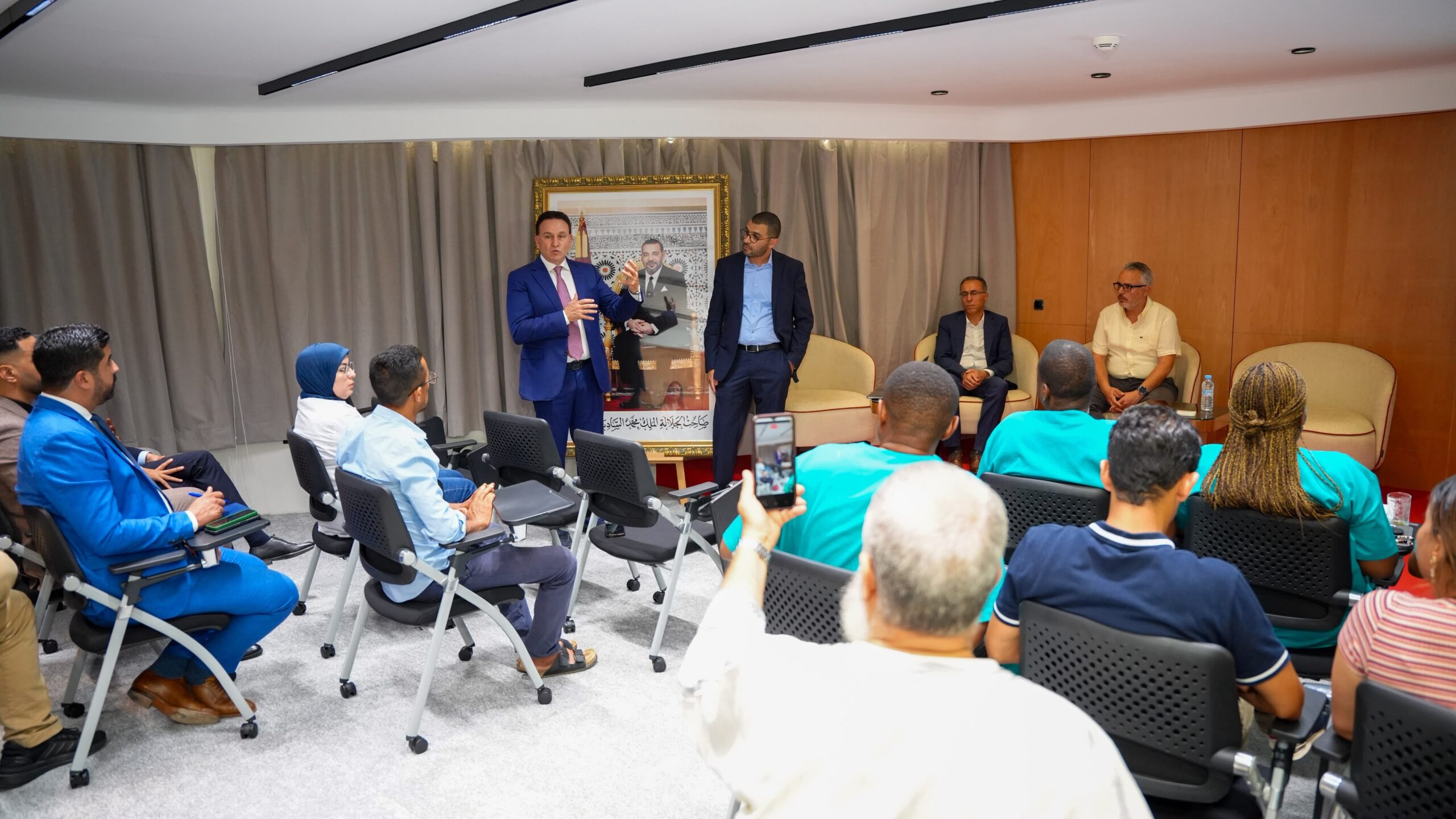
Mekka Healthcare Facility held a scientific symposium on Thursday in Casablanca to officially launch its new robotic surgery program and present the first surgical procedures performed using the da Vinci Xi, a fourth-generation robotic surgical platform. The event brought together leading surgeons, healthcare experts, and media representatives.
The launch of this program comes as part of the ongoing transformation of Morocco’s healthcare sector, in line with the enlightened Vision of His Majesty King Mohammed VI, may God assist Him, aimed at modernizing the national healthcare system, improving the quality of medical services, strengthening investment in advanced medical technologies and innovation, and ensuring citizens have access to state-of-the-art healthcare that meets the highest international standards.
On this occasion, Mekka Healthcare Facility announced the integration of the da Vinci Xi robotic surgical platform into its medical services, becoming the first private healthcare institution in Morocco to acquire a fourth-generation robotic surgical system. This milestone reflects the institution’s commitment to embracing the latest advances in modern medicine while expanding Moroccan patients’ access to cutting-edge therapeutic technologies.
The institution emphasized that this initiative goes far beyond acquiring sophisticated medical equipment. It marks the implementation of a comprehensive robotic surgery program supported by a highly qualified multidisciplinary medical and paramedical team trained according to international standards, as well as a fully integrated patient care pathway covering every stage from diagnosis to postoperative follow-up while ensuring the highest levels of quality and patient safety.
In his opening address, Dr. Mustapha Detsouli, Medical Director of Mekka Healthcare Facility, stated that the program reflects the institution’s determination to provide Moroccan patients with access to the world’s most advanced surgical technologies, particularly for the treatment of complex diseases, without requiring them to travel abroad.
Dr. Detsouli stressed a fundamental principle: the robot does not replace the surgeon under any circumstances. The surgeon remains solely responsible for every aspect of the procedure and its outcomes. The robotic platform simply reproduces the surgeon’s movements with exceptional precision through high-definition three-dimensional visualization, articulated instruments with outstanding dexterity, and advanced tremor filtration technology, thereby enhancing surgical accuracy and patient safety.
He further noted that the success of such a program depends not only on technology, but above all on human expertise, continuous training, and multidisciplinary collaboration. Innovation serves as a tool that enhances medical excellence and improves the quality of patient care—it never replaces the physician.
The Medical Director also highlighted that the program aligns with Mekka Healthcare Facility’s ambition to contribute to the advancement of surgical practice in Morocco, facilitate technology transfer and knowledge sharing, and continuously improve healthcare quality in line with the ongoing transformation of the country’s healthcare system.
During the scientific meeting, specialists in general surgery, urology, and gynecology reviewed the major milestones in the evolution of surgery over recent decades, from traditional open surgery to minimally invasive laparoscopic techniques, culminating in robotic surgery, now considered one of the most significant breakthroughs in minimally invasive surgery.
The experts explained that the robotic platform provides surgeons with magnified high-definition three-dimensional vision, articulated instruments offering seven degrees of freedom that exceed the mobility of the human wrist, and sophisticated tremor filtration technology. These capabilities enable extremely precise procedures, particularly in anatomically complex areas, while improving surgical conditions and reducing hospitalization time in many cases.
They also noted that international scientific studies have demonstrated significant clinical benefits for eligible patients, including smaller incisions, reduced blood loss and fewer blood transfusions, lower postoperative complication rates, less postoperative pain, faster recovery, and an earlier return to daily activities. Recent studies in prostate cancer surgery have also shown earlier functional recovery, particularly regarding urinary continence.
The experts further emphasized the importance of this technology in addressing the growing challenges posed by complex diseases, particularly cancer. In this context, they presented data from the Global Cancer Observatory (GLOBOCAN 2022) indicating that approximately 63,609 new cancer cases are diagnosed annually in Morocco, while 36,947 deaths are attributed to the disease each year. More than 154,884 people are currently living with a cancer diagnosis within five years of treatment. According to the speakers, these figures highlight the need to continue investing in advanced medical technologies—including robotic surgery—to improve surgical outcomes and enhance patient care through a multidisciplinary approach.
The speakers also recalled that this robotic platform is backed by nearly 30 years of clinical experience and is now among the most widely used robotic surgical systems worldwide. More than 10,700 systems have been installed across the globe, over 20 million patients have benefited from this technology, more than 3.1 million procedures were performed during 2025 alone, and nearly 90,000 surgeons have been trained in its use worldwide.
The symposium also showcased the first clinical experiences carried out under the new program. The medical team presented the outcomes of the first two robotic-assisted surgical procedures successfully performed using the platform, confirming the successful launch of the robotic surgery program at Mekka Healthcare Facility.
The first procedure involved an 84-year-old female patient who underwent surgery for a gallbladder remnant (gallbladder stump). The operation lasted approximately two hours and was completed under excellent conditions. The patient was discharged the following day and is currently recovering satisfactorily, demonstrating the medical team’s successful mastery of the technology.
The second procedure involved the treatment of an incisional hernia. Lasting nearly three hours, the surgery enabled the patient to return home on the second postoperative day with favorable clinical progress, further confirming the team’s ability to perform complex robotic procedures while maintaining the highest standards of quality and patient safety.
The speakers emphasized that these encouraging initial results represent the beginning of a program that will gradually expand to cover several surgical specialties, particularly the treatment of complex diseases and various types of cancer. The program will continue to rely on careful patient selection, strict adherence to clinical protocols, and multidisciplinary care to ensure the best possible therapeutic outcomes.
In conclusion, participants affirmed that the launch of this robotic surgery program marks another major milestone in the modernization of healthcare services in Morocco and reflects Mekka Healthcare Facility’s commitment to advancing national medical practice by combining Moroccan medical expertise with the world’s most advanced technologies.
They also reiterated that regardless of technological sophistication, no technology can ever replace the surgeon’s expertise or clinical judgment. The robotic platform remains an ultra-precise tool that serves the physician, who retains sole responsibility for every decision and every surgical action.
Finally, Mekka Healthcare Facility reaffirmed its commitment to promoting medical innovation, investing in cutting-edge technologies, strengthening national medical expertise, and providing patients in Morocco with access to the most advanced therapeutic solutions. Through these efforts, the institution seeks to contribute to the modernization of the national healthcare system and reinforce Morocco’s position as a leading regional hub for advanced medicine and healthcare innovation.